
5 Cybersecurity Threats Every Business Should Be Aware Of in 2025
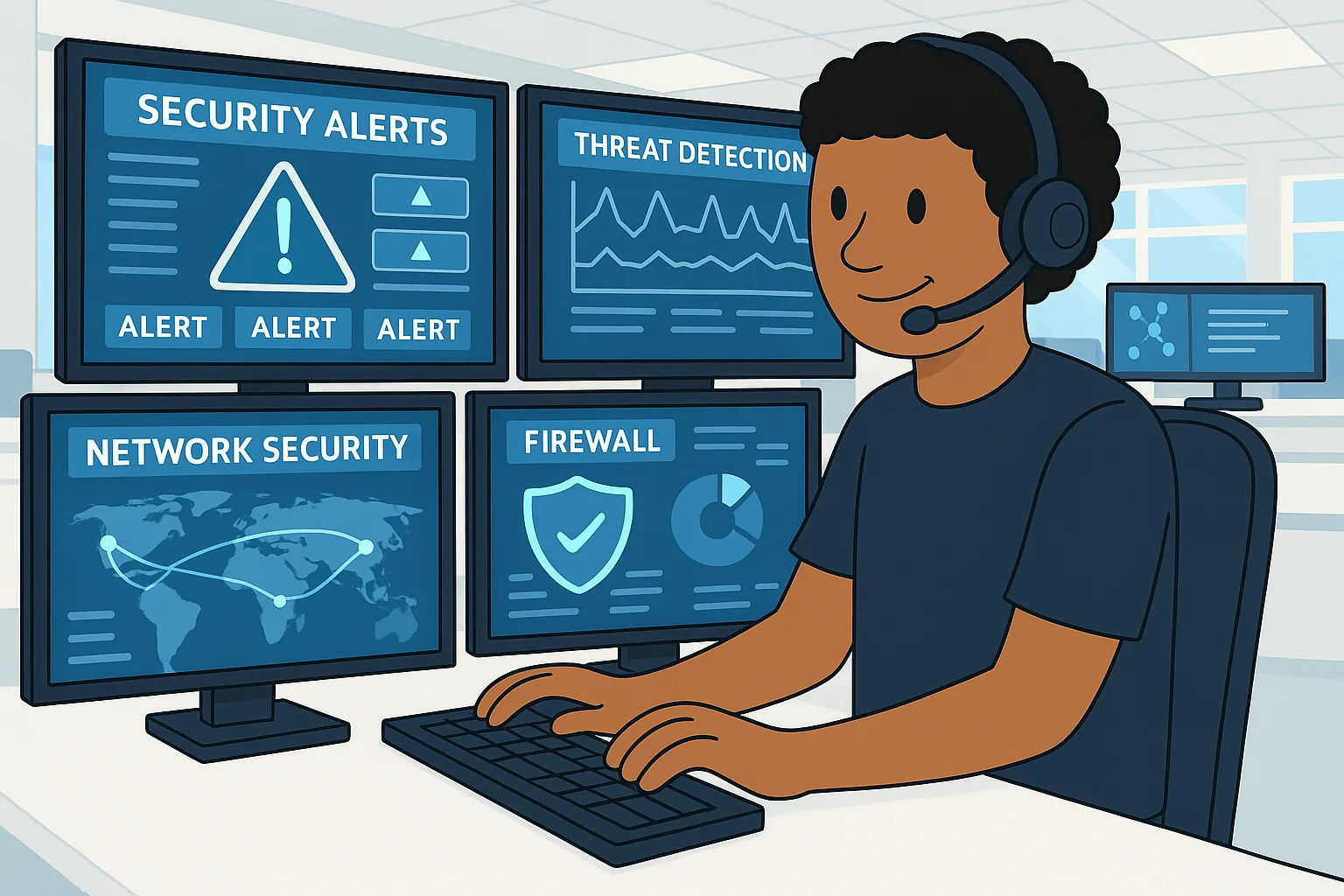
As we advance through 2025, cybersecurity threats continue to evolve at an unprecedented pace. Businesses of all sizes must stay vigilant and informed about the latest security risks to protect their valuable data and maintain operational continuity.
1. AI-Powered Phishing Attacks
Artificial intelligence has revolutionized many industries, but cybercriminals are also leveraging AI to create more sophisticated phishing attacks. These AI-powered attacks can generate highly personalized and convincing emails that are increasingly difficult to detect.
Protection Strategy: Implement advanced email security solutions with AI-based detection, conduct regular phishing simulation training, and establish clear protocols for verifying suspicious communications.
2. Ransomware-as-a-Service (RaaS)
The ransomware landscape has evolved into a service-based model, making it easier for less technically skilled criminals to launch attacks. RaaS platforms provide ready-made ransomware tools and infrastructure, significantly lowering the barrier to entry.
Protection Strategy: Maintain regular, tested backups, implement network segmentation, deploy endpoint detection and response (EDR) solutions, and ensure all systems are regularly updated.
3. Supply Chain Attacks
Cybercriminals are increasingly targeting the software supply chain, compromising trusted vendors to gain access to multiple organizations simultaneously. These attacks can have far-reaching consequences across entire industries.
Protection Strategy: Conduct thorough vendor security assessments, implement zero-trust architecture, monitor third-party access closely, and maintain an inventory of all software dependencies.
4. Cloud Security Misconfigurations
As businesses continue migrating to cloud environments, misconfigurations remain a leading cause of data breaches. Improperly configured cloud storage, databases, and access controls can expose sensitive information to unauthorized access.
Protection Strategy: Implement cloud security posture management (CSPM) tools, follow the principle of least privilege, regularly audit cloud configurations, and provide comprehensive cloud security training.
5. IoT Device Vulnerabilities
The proliferation of Internet of Things (IoT) devices in business environments has created new attack vectors. Many IoT devices lack proper security controls and are rarely updated, making them attractive targets for cybercriminals.
Protection Strategy: Maintain an inventory of all IoT devices, implement network segmentation for IoT devices, regularly update device firmware, and change default passwords on all devices.
Conclusion
Staying ahead of cybersecurity threats requires a proactive approach that combines technology, processes, and people. Regular security assessments, employee training, and staying informed about emerging threats are essential components of a robust cybersecurity strategy.
At A1 Networking, we help businesses implement comprehensive cybersecurity solutions tailored to their specific needs. Contact us today to learn how we can help protect your organization from these evolving threats.
Need Help Securing Your Business?
Our cybersecurity experts can help you assess your current security posture and implement robust protection measures against these emerging threats.
Get a Security AssessmentRelated Articles
The Rising Threat of Ransomware: How to Protect Your Business
Learn about the latest ransomware trends and essential protection strategies.

Building a Resilient Network Infrastructure for Remote Work
Discover how to build secure network infrastructure for remote employees.