
The Rising Threat of Ransomware: How to Protect Your Business
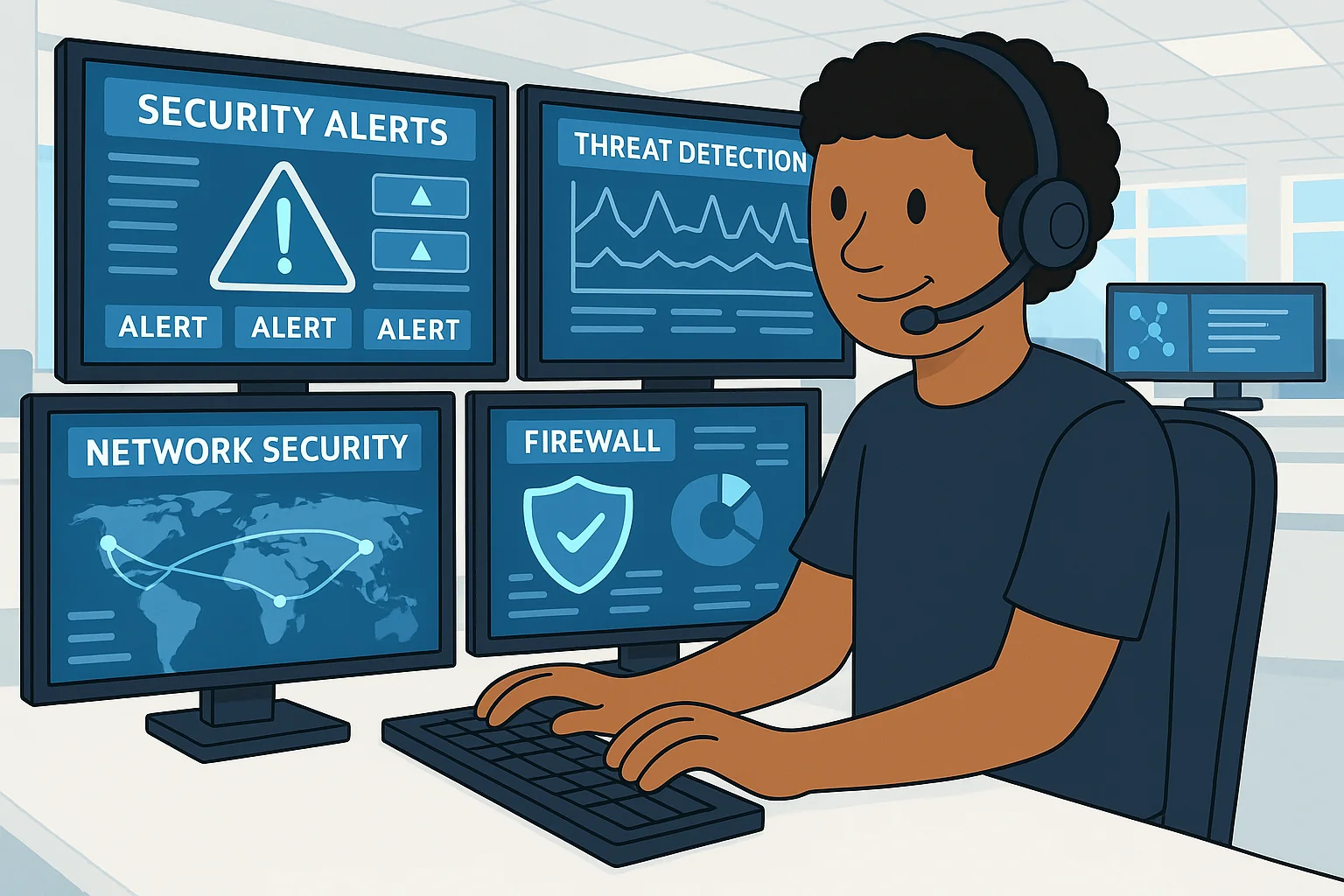
Ransomware attacks have evolved from opportunistic strikes to sophisticated, targeted operations that can cripple businesses of any size. Understanding the current threat landscape and implementing comprehensive protection strategies is crucial for business survival in 2025.
The Current Ransomware Landscape
Recent statistics paint a sobering picture: ransomware attacks have increased by over 40% in the past year, with the average ransom demand reaching $1.5 million. More concerning is that 60% of businesses that pay the ransom never fully recover their data, and many face additional attacks within months.
Modern ransomware groups operate like sophisticated businesses, offering "customer support" and even providing decryption tools as a service. They've also adopted double and triple extortion tactics, not only encrypting data but also threatening to leak sensitive information publicly.
Common Attack Vectors
Email Phishing
Despite increased awareness, email remains the primary attack vector. Cybercriminals use increasingly sophisticated social engineering techniques, often impersonating trusted contacts or creating urgent scenarios that bypass normal security protocols.
Remote Desktop Protocol (RDP) Exploitation
With the rise of remote work, exposed RDP connections have become a favorite target. Attackers use brute force attacks or exploit known vulnerabilities to gain initial access to corporate networks.
Supply Chain Compromises
Attackers increasingly target managed service providers (MSPs) and software vendors to gain access to multiple organizations simultaneously, maximizing their impact and potential profits.
Essential Protection Strategies
1. Implement a Robust Backup Strategy
Follow the 3-2-1 backup rule: maintain 3 copies of critical data, store them on 2 different media types, and keep 1 copy offline or immutable. Regularly test backup restoration processes to ensure data integrity and accessibility.
2. Deploy Advanced Endpoint Protection
Traditional antivirus solutions are insufficient against modern ransomware. Implement endpoint detection and response (EDR) solutions that use behavioral analysis and machine learning to detect and stop ransomware before it can encrypt files.
3. Network Segmentation
Limit the spread of ransomware by implementing network segmentation. Critical systems should be isolated from general user networks, and lateral movement should be restricted through proper access controls and monitoring.
4. Regular Security Training
Human error remains a significant vulnerability. Conduct regular security awareness training, including simulated phishing exercises, to help employees recognize and respond appropriately to potential threats.
5. Incident Response Planning
Develop and regularly test a comprehensive incident response plan. This should include procedures for isolating infected systems, communicating with stakeholders, and coordinating with law enforcement and cybersecurity experts.
What to Do If You're Attacked
If your organization falls victim to a ransomware attack, immediate action is crucial:
- Immediately isolate infected systems from the network
- Activate your incident response plan
- Contact law enforcement and cybersecurity professionals
- Assess the scope of the attack and begin recovery procedures
- Communicate transparently with stakeholders and customers
The Future of Ransomware Defense
As ransomware continues to evolve, so must our defense strategies. Emerging technologies like artificial intelligence and machine learning are being integrated into security solutions to provide better threat detection and response capabilities.
Zero-trust architecture is becoming the new standard, assuming that no user or device should be trusted by default, regardless of their location or previous access history.
Conclusion
Ransomware represents one of the most significant cybersecurity threats facing businesses today. However, with proper preparation, robust security measures, and a comprehensive response plan, organizations can significantly reduce their risk and minimize the impact of potential attacks.
Remember, cybersecurity is not a one-time investment but an ongoing process that requires continuous attention, updates, and improvements. Stay vigilant, stay prepared, and don't hesitate to seek professional help when needed.
Protect Your Business from Ransomware
Don't wait until it's too late. Our cybersecurity experts can help you implement comprehensive ransomware protection strategies tailored to your business needs.
Get Ransomware ProtectionRelated Articles
5 Cybersecurity Threats Every Business Should Be Aware Of in 2025
Learn about the top cybersecurity threats facing businesses in 2025.

Building a Resilient Network Infrastructure for Remote Work
Discover how to build secure network infrastructure for remote employees.